
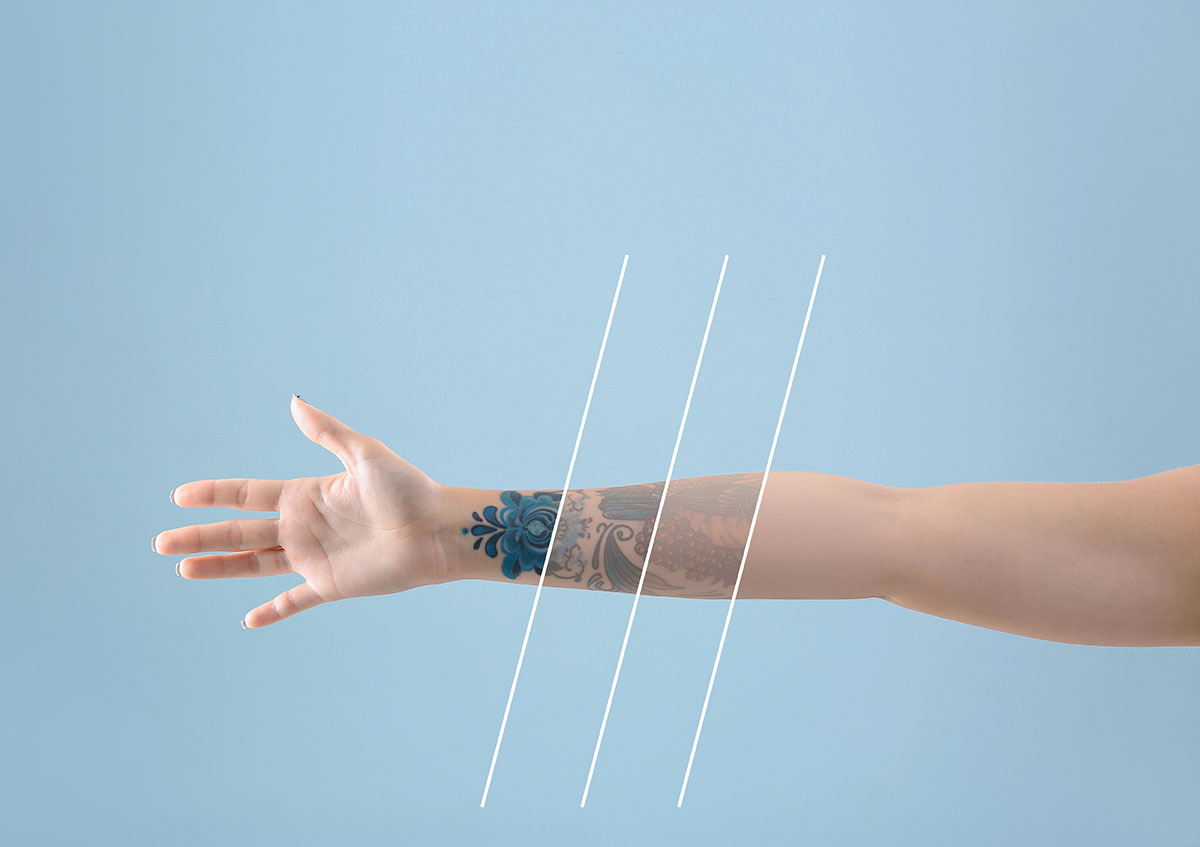
Planning your tattoo removal is more than a matter of scheduling; it’s a process that should consider how your skin responds to light, heat, and healing. At Ethos MedSpa, our physician-led approach ensures every step is timed for safety, skin integrity, and lasting results. One of the most overlooked factors in successful laser tattoo removal? Sun exposure. Timing your sessions in relation to the seasons can significantly impact how your skin heals and how effectively ink clears.
Whether you’re beginning your removal journey or already in the middle of a treatment plan, understanding the relationship between UV exposure and skin recovery is essential.
Why Timing Matters in Laser Tattoo Removal
Sunlight may seem harmless, but during tattoo removal, it poses serious risks to both pigment-targeting accuracy and post-treatment healing. When your skin is tanned or sun-sensitized, laser energy can be misdirected, absorbed by the melanin instead of the tattoo ink. This increases the chance of unwanted outcomes like hyperpigmentation, hypopigmentation, and prolonged irritation.
For those undergoing laser tattoo removal at Ethos MedSpa, we recommend planning treatments in cooler, lower-UV months like fall and winter when sun exposure is easier to control. This reduces your chances of complications and allows our team to use optimal settings for faster ink breakdown with minimal skin stress.
Before Your First Session: Sun Exposure Precautions
Proper pre-treatment care begins weeks before your first appointment. To protect your skin and prime it for treatment, we advise avoiding tanning beds, direct sun exposure, and topical self-tanners for at least 4–6 weeks prior to your laser session. This is particularly important if your tattoo is in a sun-exposed area like the forearms, shoulders, or lower legs.
If being outdoors is unavoidable, wear UV-blocking clothing over the tattooed area, and apply a mineral-based, broad-spectrum sunscreen (SPF 30 or higher) to surrounding skin. We often recommend pairing this with barrier-repair products from the Ethos Skincare collection to keep skin soothed and supported leading up to treatment.
Your laser specialist will assess skin tone, UV exposure history, and tattoo depth to determine the safest start time for your series. This careful timing is one of the many reasons clients trust our personalized, medically guided approach.
The Healing Timeline: What Happens Between Sessions
Laser tattoo removal isn’t a one-time procedure; it’s a progressive process, and spacing between sessions is critical. On average, you can expect 6–8 weeks between each appointment, though this may vary depending on skin type, ink density, and treatment area.
After each session, your body begins the process of clearing fragmented ink particles through the lymphatic system. The skin around the tattoo may show signs of healing, such as mild redness, scabbing, or pinpoint dryness. This is normal and usually resolves within 10–14 days. However, deeper ink layers continue clearing well after surface recovery is complete.
To support recovery, avoid friction, heat (like saunas or steam), and harsh skincare products. For clients interested in enhancing post-laser healing, Omnilux LED therapy can be integrated into your recovery protocol to reduce inflammation and support collagen repair.
Aftercare & Sun Protection: What Not to Skip
The care you give your skin after each session is as important as the treatment itself. Once the skin has been lasered, it becomes temporarily more sensitive to light, heat, and external stress. Direct sun exposure during this time increases your risk of pigment changes and may compromise your results.
We strongly recommend:
- Keeping the area covered with breathable, soft clothing
- Applying a zinc-based SPF 30+ on the surrounding skin when outdoors
- Avoiding swimming, strenuous exercise, and exfoliating products for several days post-treatment
If you’re healing from a more extensive or deeply pigmented tattoo, your provider may also suggest immune-supportive options like Glutathione injections, known for their antioxidant and cellular repair properties.
Consistency is key. Proper aftercare between sessions helps minimize complications, shortens recovery windows, and supports the ultimate goal: smooth, clear skin.
Can You Start the Removal in the Summer?
While the cooler seasons offer ideal conditions for laser tattoo removal, summer doesn’t have to be off-limits if you’re prepared to commit to protective skincare and lifestyle adjustments.
If your tattoo is located in an area that remains easily covered, such as the upper back, ribs, or thighs, you may still begin treatment during warmer months. What matters most is how well you’re able to shield the treated area from UV exposure before and after each session. This means using physical sun barriers, daily application of a broad-spectrum SPF, and diligent aftercare.
For clients who travel, spend extended time outdoors, or have tattoos on areas like the forearms or ankles, our team may recommend postponing sessions or extending time between them until sun exposure can be consistently managed.
When in doubt, your Ethos provider will guide your treatment calendar to balance effectiveness with safety, never rushing the process at the expense of your skin health.

Tattoo Removal for Sensitive or Melanin-Rich Skin
At Ethos MedSpa, safety protocols are always tailored to Fitzpatrick skin types, ensuring effective treatment for clients with sensitive skin or higher melanin content.
Melanin, the pigment responsible for skin tone, can absorb laser energy alongside the tattoo ink. If not carefully managed, this can increase the risk of post-inflammatory hyperpigmentation or skin irritation, especially for deeper skin tones or sun-sensitized skin.
We use advanced, customizable technologies such as Clarity II to accommodate various skin types with precision and care. Treatment settings are adjusted to minimize thermal damage while still effectively targeting ink. Sessions may be spaced further apart for optimal healing, and hydrating or calming adjuncts like LED therapy or antioxidant support may be incorporated into your protocol.
Our approach is always individualized, never one-size-fits-all, and especially attentive to those with unique pigment needs or reactive skin.
Thinking About a Cover-Up Tattoo? Here’s What to Know
If you’re considering replacing your tattoo with a new design, partial fading through laser removal is often the smartest first step. Attempting a cover-up on top of a dense, dark tattoo can limit your artist’s creative options and increase the chances of long-term regret.
Laser removal can fade unwanted ink by 60–70% or more, giving your tattoo artist a lighter canvas to work with. This allows for more dimension, color clarity, and longevity in the new design.
We often work in collaboration with experienced tattoo artists, timing the fade process so the skin has adequately healed before re-inking. For those preparing for a meaningful cover-up, such as memorial tattoos or scar-camouflaging designs, this combined approach results in far better outcomes both aesthetically and medically.

Realistic Results: How Many Sessions Will You Need?
Every tattoo, and every body, is different. While some tattoos begin fading noticeably after just one or two sessions, most require a series of 5 to 10+ treatments, spaced at 6–8 week intervals.
Several factors influence your treatment timeline, including:
- Ink color and density (blacks and blues often clear faster than reds or yellows)
- Tattoo depth and age
- Location on the body (areas with better circulation, like the chest or upper arms, often heal faster)
- Skin tone and immune function
Clients who support their skin and immune system through hydration, gentle skincare, and treatments like NAD+ or Glutathione injections often notice steadier improvements between sessions.
We’ll provide you with a personalized plan based on your unique skin profile, tattoo type, and lifestyle. Our team believes in transparent expectations and clinical consistency, never rushing results, and always prioritizing the long-term health of your skin.
Final Thoughts: Your Skin Deserves Thoughtful Timing
Laser tattoo removal is a journey that rewards preparation and patience. By protecting your skin from sun exposure and aligning your treatment with your skin’s natural rhythms, you make room for smoother healing and more complete results.
At Ethos MedSpa, your laser protocol is guided not by speed, but by safety, science, and precision. Whether you’re planning for a clean slate, a future cover-up, or simply refining past ink, we’re here to help you time it right, with skin integrity and long-term beauty at the center of it all.
Ready to begin? Schedule your consultation and let our experts guide your laser journey, step by step.
FAQs: What Clients Ask Most Often
How long after tattoo removal can I be in the sun?
You should avoid direct sun exposure on the treated area for at least 4–6 weeks post-treatment. If sun exposure is unavoidable, apply SPF 30+ daily and keep the area covered.
Can I get laser tattoo removal if I have darker skin?
Yes. Ethos MedSpa safely treats all skin types using advanced technology and Fitzpatrick-based protocols. Your provider will tailor treatment to minimize pigment disruption while maximizing fading.
How soon can I get a cover-up tattoo after removal?
Your skin should be fully healed and stable, usually 8–12 weeks after your final removal session. We’ll advise when your skin is ready based on how it’s responded throughout the process.
What if I have a sunburn before my session?
If the skin in the treated area is inflamed, your session may be rescheduled. Laser treatments on sunburned or sensitized skin can cause complications, including scarring or pigment irregularities.