

Losing weight can feel frustrating when your efforts don’t produce the progress you expected. You may be eating more thoughtfully, staying active, and making healthier choices, yet persistent hunger or other biological factors make lasting weight loss difficult. For eligible patients, semaglutide may offer additional support by helping regulate appetite and food intake. It’s one reason this medication has become an important part of modern medical weight loss.
However, not every product advertised as semaglutide is the same. FDA-approved medications and compounded preparations differ in their manufacturing standards, regulatory oversight, and supporting evidence. Those differences matter when you’re choosing a treatment that affects your health.
Continue reading to understand what separates these options, why compounded versions have raised safety concerns, and which questions to ask before beginning treatment.
7 Things to Know About Compounded and Brand-Name Semaglutide
The discussion around compounded vs. brand semaglutide involves much more than pricing or convenience. Understanding how these medications are regulated, prepared, and prescribed can help patients make informed decisions about weight management.
1. Brand-Name Semaglutide Is FDA-Approved
Semaglutide belongs to a class of medications called glucagon-like peptide-1 receptor agonists, commonly known as GLP-1 medications. It mimics the action of a hormone involved in appetite regulation, blood glucose control, and the body’s response to food.
Wegovy is an FDA-approved semaglutide medication used for chronic weight management in eligible patients, alongside a reduced-calorie diet and increased physical activity. Its approved uses and eligible patient populations are described in its prescribing information.
Ozempic and Rybelsus also contain semaglutide, but their approved indications differ from those of Wegovy. Although a clinician may prescribe certain medications off-label when medically appropriate, the products shouldn’t be treated as interchangeable simply because they share an active ingredient.
FDA approval means a specific product has undergone regulatory review of its quality, safety, and effectiveness for its approved uses. Its manufacturing processes, labeling, and dosing instructions are also subject to established requirements.
This doesn’t mean brand-name semaglutide is free of side effects. It means patients and healthcare providers have access to product-specific clinical evidence and standardized prescribing information.
For someone beginning treatment, that distinction provides an important foundation for evaluating the available options.
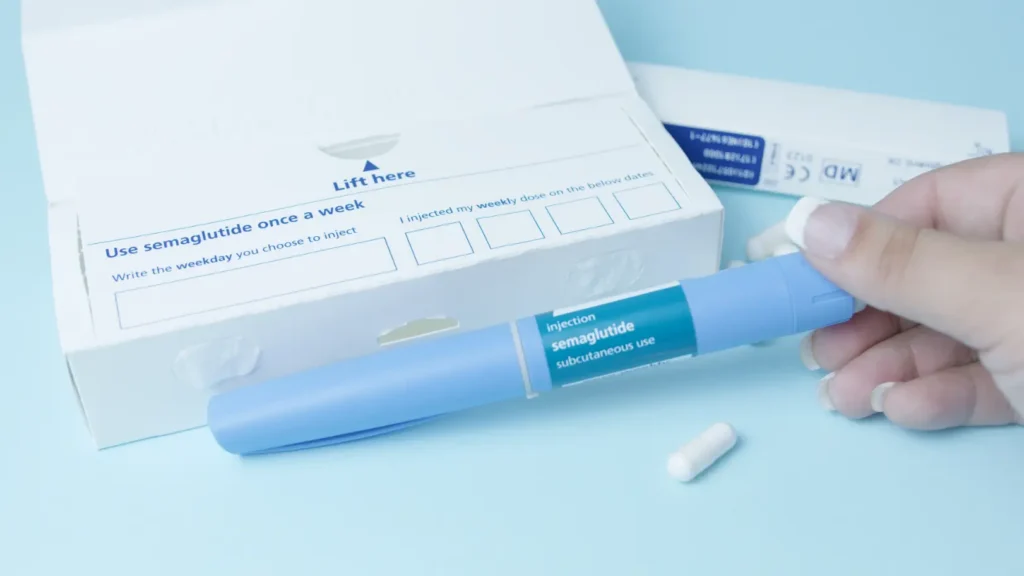
2. Compounded Semaglutide Is Different
Patients researching alternatives often encounter an important question: what is compounded semaglutide, and how does it differ from an FDA-approved medication? Compounding involves preparing a medication for an individual patient’s medical needs. Depending on the circumstances, a licensed pharmacist or other authorized professional may combine, mix, or alter ingredients to create a customized preparation.
For example, legitimate compounding may be appropriate when a patient has a specific medical need that cannot be met by an available FDA-approved product. However, compounding isn’t intended to serve as a routine substitute for commercially available approved medications. Compounded semaglutide products are not FDA-approved. The FDA does not review each compounded preparation for safety, effectiveness, or quality before it reaches patients.
This is a significant difference from brand-name semaglutide. Even when a compounded product is described as containing the same active ingredient, that description doesn’t establish that the finished medication has the same clinical evidence or manufacturing controls.
Patients should also understand that compounded products can differ in concentration, formulation, packaging, and administration instructions. These differences may affect how the medication is used.
A personalized prescription does not automatically make a compounded product safer or more effective. The preparation must have a legitimate medical and legal basis.
3. Compounding Has Legal Restrictions
The legal status of compounded semaglutide has changed as the availability of FDA-approved products has improved. This is especially important for patients who remember when compounded GLP-1 medications became widely advertised during shortages.
Federal law permits certain compounding activities under specific conditions. However, those exemptions do not generally allow pharmacies to routinely make copies of commercially available FDA-approved drugs.
During a recognized shortage, some restrictions may operate differently. Once the shortage is resolved, those circumstances no longer provide the same basis for routine copies. The FDA announced that the semaglutide injection shortage was resolved in February 2025. It subsequently established transition periods for certain compounders, which have since ended.
As a result, patients shouldn’t assume that a pharmacy can legally supply compounded semaglutide simply because it was available during the shortage. Limited patient-specific exceptions may exist, but they must satisfy applicable legal requirements.
Adding an ingredient or changing a concentration doesn’t automatically make a compounded preparation legally permissible. A genuine medical need and the relevant compounding rules still matter.
This is one reason patients should be cautious about websites advertising compounded semaglutide as an unrestricted alternative to approved products. Availability alone doesn’t establish compliance with federal or state requirements.
4. Safety Standards Aren’t Identical
One of the most important questions patients ask is, is compounded semaglutide safe compared with an FDA-approved product? The answer requires understanding how medication quality is evaluated.
FDA-approved semaglutide products undergo regulatory review and are manufactured under applicable quality standards. Compounded medications operate under a different regulatory framework and do not receive the same premarket approval. The FDA has received reports of adverse events involving compounded semaglutide, including dosing errors that led to serious gastrointestinal symptoms and hospitalization.
Some errors occurred when patients measured medication from multidose vials. Confusion between milligrams, milliliters, and syringe units contributed to patients receiving more medication than prescribed.
The FDA has also warned about compounded products made with semaglutide sodium or semaglutide acetate. These salt forms differ from the semaglutide base used in approved products, and the agency has stated that it is unaware of a lawful basis for their use in compounding under the applicable conditions.
These concerns don’t mean every compounded medication is improperly prepared. They do mean patients should avoid assuming that all products labeled semaglutide are equivalent. When an FDA-approved medication can meet a patient’s medical needs, it generally offers a more established regulatory and clinical foundation.
5. Effectiveness Depends on the Product
Semaglutide has demonstrated meaningful weight-loss benefits in clinical trials involving specific FDA-approved formulations. In those studies, eligible patients received medication alongside lifestyle interventions and medical monitoring.
However, the results from those trials shouldn’t automatically be applied to every compounded preparation. A product containing semaglutide doesn’t necessarily have evidence showing the same effectiveness as an approved formulation.
Differences in manufacturing, stability, concentration, and administration can affect medication quality and use. Without product-specific clinical studies, equivalent outcomes cannot simply be assumed.
This matters because weight management involves more than choosing a medication with a familiar name. Patients need a treatment that has an appropriate evidence base and a dosing plan supported by clinical guidance.
Even with approved semaglutide, individual results vary. Some patients experience substantial weight reduction, while others have a more modest response or discontinue treatment because of side effects.
A provider should explain what results are realistic for your circumstances. Promises of rapid or guaranteed weight loss deserve skepticism, regardless of the product being advertised.
6. Cost Is Only Part of the Decision
For many patients, semaglutide cost is one of the biggest considerations when exploring medication-assisted weight management. Insurance coverage, eligibility requirements, and out-of-pocket expenses can influence which treatments are financially accessible.
Compounded semaglutide gained attention partly because some preparations were marketed at lower prices than brand-name products. However, a lower advertised price doesn’t establish equivalent quality, safety, or legal availability.
Patients should also consider the complete cost of treatment. Medical evaluations, follow-up appointments, laboratory testing when indicated, and ongoing monitoring may contribute to the overall expense.
Insurance coverage for approved semaglutide varies by plan, product, and medical indication. Some patients may qualify for manufacturer programs or other legitimate affordability options, depending on their circumstances.
Before comparing prices, ask what medication is actually being supplied. Confirm whether it is FDA-approved, where it comes from, and what the quoted amount includes. A seemingly inexpensive option may become less attractive if its formulation, dosing instructions, or regulatory status cannot be clearly verified.
Cost matters, but it should be evaluated alongside medical suitability and product quality rather than treated as the deciding factor.
7. Dosing Requires Careful Attention
Semaglutide treatment usually begins with a lower dose that increases gradually according to the approved product’s prescribing instructions. This approach helps patients adjust to the medication and may reduce gastrointestinal side effects.
FDA-approved injectable products come with product-specific administration instructions. Compounded preparations may instead be supplied in vials with concentrations that differ between pharmacies.
This difference matters because a prescription written in milligrams may need to be measured using a syringe marked in volume units. Patients unfamiliar with injections can easily confuse these measurements.
The FDA has documented cases in which patients accidentally administered several times their intended dose of compounded semaglutide. Some required hospital treatment after experiencing severe symptoms.
Patients should never calculate or change their injection dose independently. If instructions are unclear, the medication should not be administered until a qualified healthcare professional provides clarification.
Whether you’re considering approved weight loss injections or another treatment, proper instruction is an essential part of safe medication use.

Make an Informed Choice
Your weight management journey deserves more than a quick prescription or a promise of dramatic results. Understanding medication approval, product quality, and potential risks can help you approach treatment with greater confidence.
At Ethos Medspa in Chesterfield, MO, patients can explore personalized medical weight loss options through a consultation focused on their health history, goals, and treatment suitability. Take the opportunity to discuss semaglutide, available alternatives, and the type of medical support that may be appropriate for you.
Contact us today to schedule your appointment!