
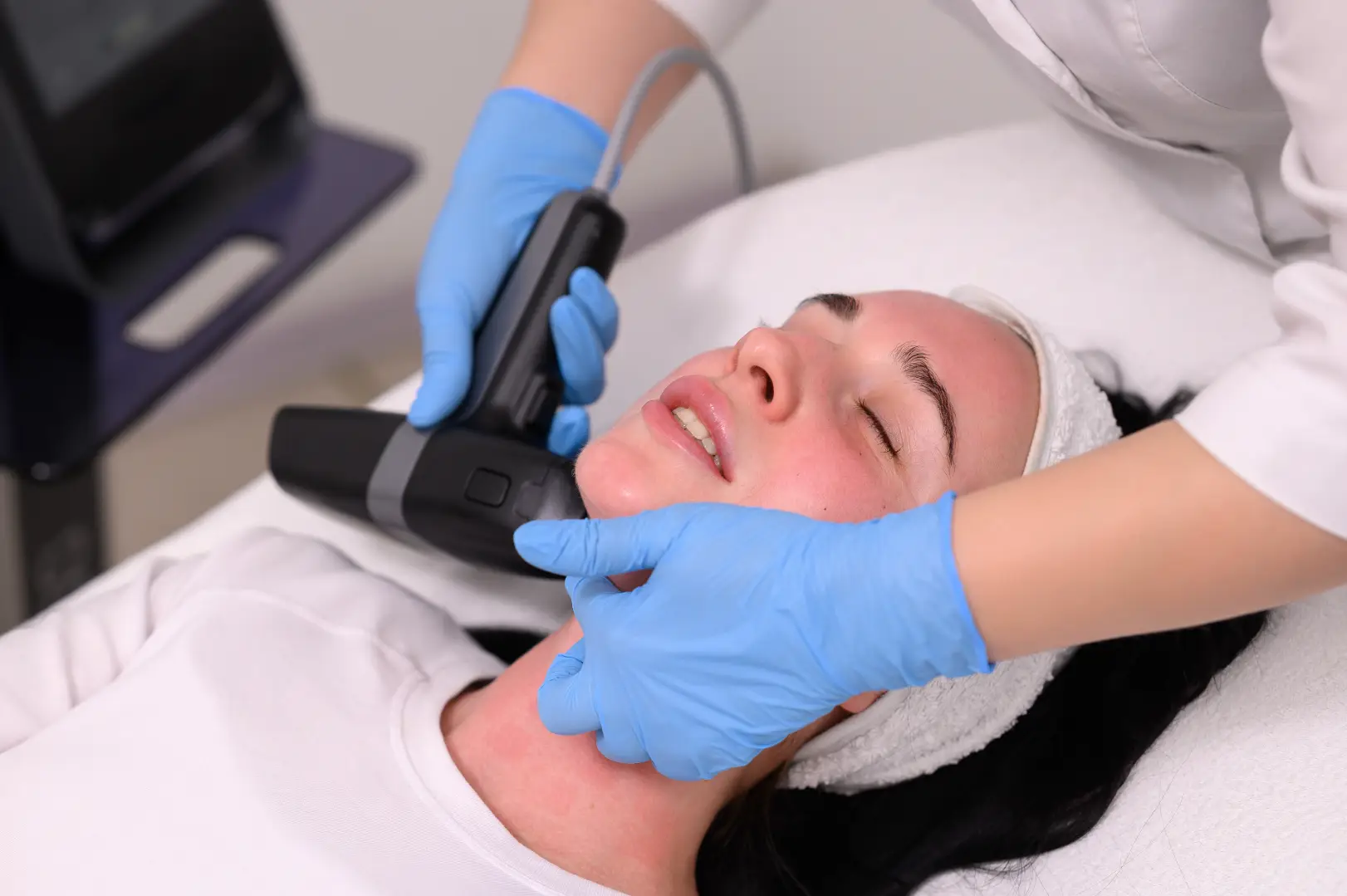
Have you noticed that your cheeks don’t look quite as firm as they used to, or that fine lines seem more noticeable even when your skin feels hydrated? These changes often develop gradually as collagen production declines and the skin loses some of its natural support.
While skincare products can help maintain a healthy complexion, they can’t always address the structural changes happening beneath the surface. That’s where professional skin tightening treatments such as Sofwave and RF microneedling come into the picture.
Both treatments encourage collagen remodeling, but they accomplish it through different technologies. Sofwave uses ultrasound energy without penetrating the skin, while RF microneedling combines tiny needles with radiofrequency heat.
Understanding these differences can help you choose a treatment that fits your concerns, comfort preferences, and desired results. Keep reading to discover how each option works and which approach may be better suited to your skin.
7 Ways Sofwave and RF Microneedling Improve Skin Firmness
Sofwave and RF microneedling both address visible signs of aging, but their methods and treatment priorities aren’t identical. This skin tightening comparison explores how each technology works, what improvements patients may notice, and which factors matter when choosing between them.
1. Sofwave Uses Ultrasound Energy
One of the biggest advantages of Sofwave is its ability to deliver energy beneath the skin without using needles. The treatment uses synchronous ultrasound parallel beam technology to create controlled heating within the dermis, where collagen provides structural support.
This targeted heating triggers a biological response that may encourage collagen remodeling over time. As the treated tissues respond, patients may notice improvements in firmness and selected signs of skin laxity.
Sofwave is FDA-cleared for specific aesthetic indications, including lifting the eyebrows, improving the appearance of facial lines and wrinkles, and lifting lax tissue beneath the chin and along the neck. The device also has clearances for certain other concerns, including acne scars and cellulite.
However, FDA clearance doesn’t mean every patient will achieve the same degree of improvement. Treatment outcomes depend on the area being addressed, the extent of skin laxity, and individual tissue characteristics.
For patients who prefer a needle-free procedure, Sofwave offers a different experience from treatments that physically penetrate the skin. Its ultrasound energy reaches targeted tissue without creating the surface punctures associated with microneedling.
This makes it particularly appealing to individuals who want to explore non-surgical firming without undergoing an invasive procedure.

2. RF Microneedling Combines Two Technologies
RF microneedling approaches skin rejuvenation differently by combining mechanical stimulation with radiofrequency energy. Rather than delivering energy entirely through the skin’s surface, the procedure uses fine needles to reach selected depths within the dermis.
At Ethos Medspa, Virtue RF is one of the technologies used for this approach. The device contains sterile microneedles that create controlled microchannels while delivering radiofrequency heat into targeted tissues.
The tiny injuries created by the needles activate the body’s natural healing response. At the same time, radiofrequency energy heats surrounding tissue to encourage collagen and elastin remodeling.
This combination makes RF microneedling useful for addressing several concerns involving skin texture and firmness. Depending on the treatment settings, it may improve the appearance of fine lines, certain acne scars, and mild skin laxity.
Unlike Sofwave, RF microneedling involves skin penetration. This means patients may experience pinpoint bleeding, temporary redness, or swelling following treatment.
However, the ability to customize needle depth and energy delivery can be valuable when addressing specific textural concerns. The treatment plan should reflect the patient’s skin characteristics and the condition being treated.
3. Both Encourage Collagen Remodeling
Collagen plays an important role in maintaining the skin’s firmness, structure, and resilience. As we age, changes in collagen production and organization contribute to wrinkles, looseness, and reduced elasticity.
Both Sofwave and RF microneedling use controlled thermal energy to encourage tissue remodeling. However, the way they deliver that energy differs considerably.
Sofwave heats targeted tissue through ultrasound energy. RF microneedling uses needles to place radiofrequency energy within selected layers of the skin. These processes activate biological responses associated with tissue repair. Over time, remodeling may contribute to improvements in skin quality and firmness.
Patients exploring collagen tightening treatments should understand that collagen remodeling isn’t instantaneous. Although some early changes may be noticeable, more meaningful improvements generally develop over the following weeks and months.
The degree of improvement also varies between individuals. Age, skin condition, treatment settings, and the severity of laxity can all influence the outcome.
Neither procedure permanently stops collagen loss or the natural aging process. Their purpose is to improve selected concerns through controlled treatment rather than reverse every age-related change.
4. Sofwave Focuses on Lifting and Firmness
Some patients are primarily concerned about the way their facial contours have changed. Their eyebrows may appear slightly lower, or the skin beneath the chin may seem less firm than it once did.
Sofwave is designed to address selected concerns involving tissue laxity and visible signs of aging. Its ultrasound technology targets the dermis while incorporating cooling to protect the skin’s surface.
For suitable patients, treatment may produce modest lifting and tightening effects. These improvements can be particularly relevant around the eyebrows, lower face, and neck. However, the amount of visible lifting depends on the patient’s anatomy. Someone with mild laxity may respond differently from a person with significant sagging or excess skin.
Sofwave shouldn’t be confused with a surgical facelift. It doesn’t remove loose skin or reposition deeper facial structures through surgery. Instead, it offers a noninvasive option for patients seeking subtle improvements. This distinction is important when evaluating whether treatment can realistically address your concerns.
If your main priority is improving firmness rather than correcting significant surface scarring, Sofwave may be worth discussing during your consultation.
5. RF Microneedling Addresses Texture
Not every patient seeking firmer skin has the same concerns. Some are bothered by rough texture, enlarged-looking pores, acne scars, or fine lines alongside early signs of laxity.
RF microneedling can be particularly appealing when several of these concerns occur together. Its combination of controlled micro-injuries and radiofrequency heating encourages remodeling within targeted tissues.
For example, patients with certain depressed acne scars may notice gradual improvement as the treated skin remodels. Fine lines and superficial irregularities may also become less noticeable.
However, acne scars vary in depth and structure. Some types respond better to RF microneedling than others, and certain scars may require additional procedures. The treatment can also improve the appearance of some pores by affecting the surrounding tissue. It doesn’t permanently close pores or eliminate their natural function.
Patients should therefore evaluate their results based on realistic changes in texture and skin quality. Completely flawless or poreless skin isn’t a reasonable treatment expectation. For individuals dealing with both uneven texture and mild laxity, RF microneedling may offer a broader approach to these combined concerns.
6. Comfort Levels Are Different
Treatment comfort is an important consideration, especially for patients who have avoided aesthetic procedures because they dislike needles. Sofwave and RF microneedling provide noticeably different experiences.
Sofwave delivers ultrasound energy through an applicator placed against the skin. Patients may experience warmth or brief sensations of heat as energy reaches the targeted tissue. Although Sofwave doesn’t require needles, it isn’t necessarily painless. Some patients may need comfort measures depending on their sensitivity and the treatment area.
RF microneedling involves repeated needle penetration along with radiofrequency heating. Providers commonly use topical numbing medication to help make the procedure more comfortable. Patients may still experience pressure, warmth, or temporary discomfort during treatment. The intensity depends on needle depth, energy settings, and individual sensitivity.
When comparing Sofwave vs. RF microneedling, it’s worth discussing your comfort preferences openly. A treatment that feels manageable to one person may be less comfortable for another. Neither procedure should be selected solely because it is described as comfortable. The expected results, risks, and suitability for your skin are equally important.
7. Recovery Can Influence Your Choice
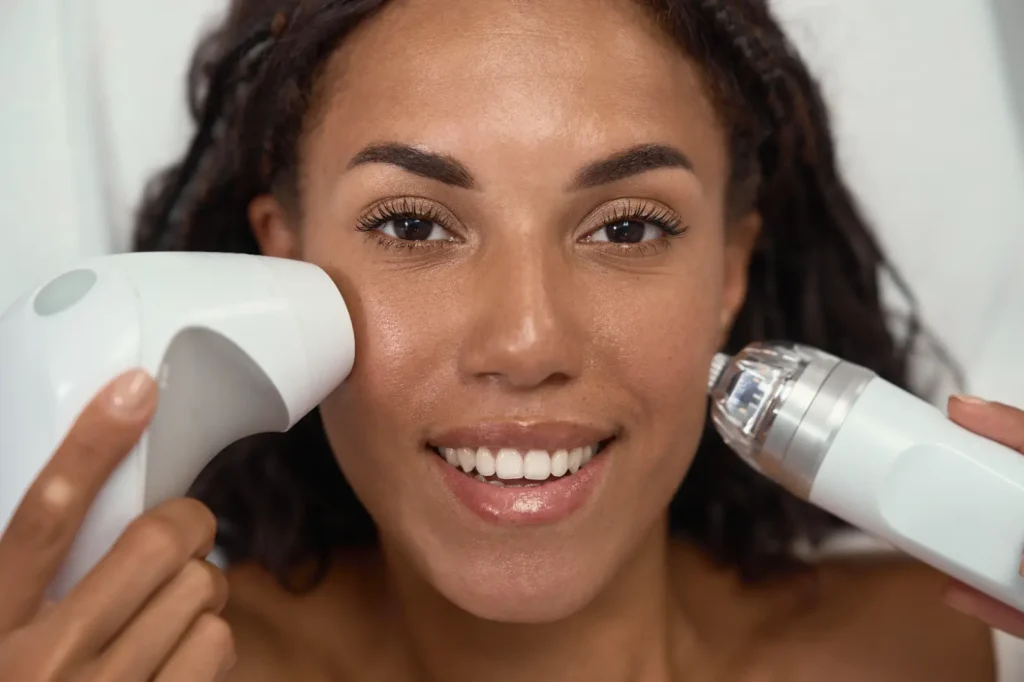
For many patients, downtime is just as important as the potential improvement. Work schedules, family responsibilities, and upcoming events can all affect which treatment feels practical. Sofwave generally involves minimal interruption to daily activities. Some patients experience temporary redness, swelling, or tenderness, but extensive recovery is not typically expected.
RF microneedling usually produces more visible short-term skin reactions because it creates controlled punctures. Redness, swelling, pinpoint marks, and temporary sensitivity may occur after treatment.
These effects often improve over several days, although recovery varies with treatment intensity. Patients may need to temporarily avoid makeup, irritating skincare products, or certain activities according to their provider’s instructions.
Both procedures carry potential complications. Ultrasound-based treatments can cause unwanted tissue injury, while RF microneedling may also involve infection, burns, scarring, or pigmentation changes.
For patients with a busy schedule, Sofwave’s limited downtime may be appealing. However, someone whose main concern is acne scarring may decide that RF microneedling’s recovery requirements are worthwhile. The right choice depends on what you’re hoping to improve and how much recovery you’re comfortable accommodating.
Find Your Path to Firmer Skin
There isn’t one perfect solution for every skin concern, and that’s what makes personalized treatment so valuable. Whether you’re interested in Sofwave’s needle-free ultrasound technology or Virtue RF’s texture-focused approach, professional skin tightening can offer options for addressing early signs of aging.
At Ethos Medspa in Chesterfield, MO, patients can explore treatments designed around their individual skin concerns and aesthetic goals. Schedule a consultation to discover which approach may help you achieve smoother, firmer-looking skin while maintaining your natural appearance.
Connect with us today!