

Pigmentation has a frustrating way of changing how the entire complexion looks. A few dark spots, lingering marks, uneven patches, or dull areas can make otherwise healthy skin appear less clear and luminous.
Covering those concerns with makeup is one option, but some patients would rather improve the skin itself. Hollywood Spectra offers a technology-driven approach that can address unwanted pigmentation while supporting overall skin rejuvenation.
Often associated with the popular carbon peel, Hollywood Spectra uses ultra-short laser pulses to target specific concerns while keeping treatment relatively comfortable and downtime limited. But there is more happening than simply creating a temporary glow.
Continue reading as we break down what the laser does, how the carbon-based treatment works, and why it has become an appealing option for patients who want refreshed skin without an aggressive resurfacing procedure.
What Is Hollywood Spectra?
Hollywood Spectra is an advanced laser platform designed for several aesthetic applications. According to Ethos Medspa’s treatment information, the system uses ultra-short pulse technology with 1064 nm and 532 nm wavelengths. Its short pulse widths and high peak power allow practitioners to target concerns while minimizing unnecessary downtime.
The Hollywood Spectra laser can be used to address unwanted pigmentation and support collagen production. The platform also offers treatments for skin rejuvenation, multicolored tattoos, and acne, along with the popular Hollywood Laser Peel.
The Hollywood Laser Peel is often casually called a carbon laser facial because a carbon-based lotion is applied to the skin as part of the treatment. Laser energy then interacts with this topical layer as the practitioner moves the device across the treatment area.
This approach is different from an aggressive ablative resurfacing treatment. Rather than creating extensive surface injury and requiring a lengthy recovery, Hollywood Spectra can provide a lighter approach to complexion refinement. That difference is a big part of its appeal for patients who want noticeable skin maintenance without putting everyday life on hold.
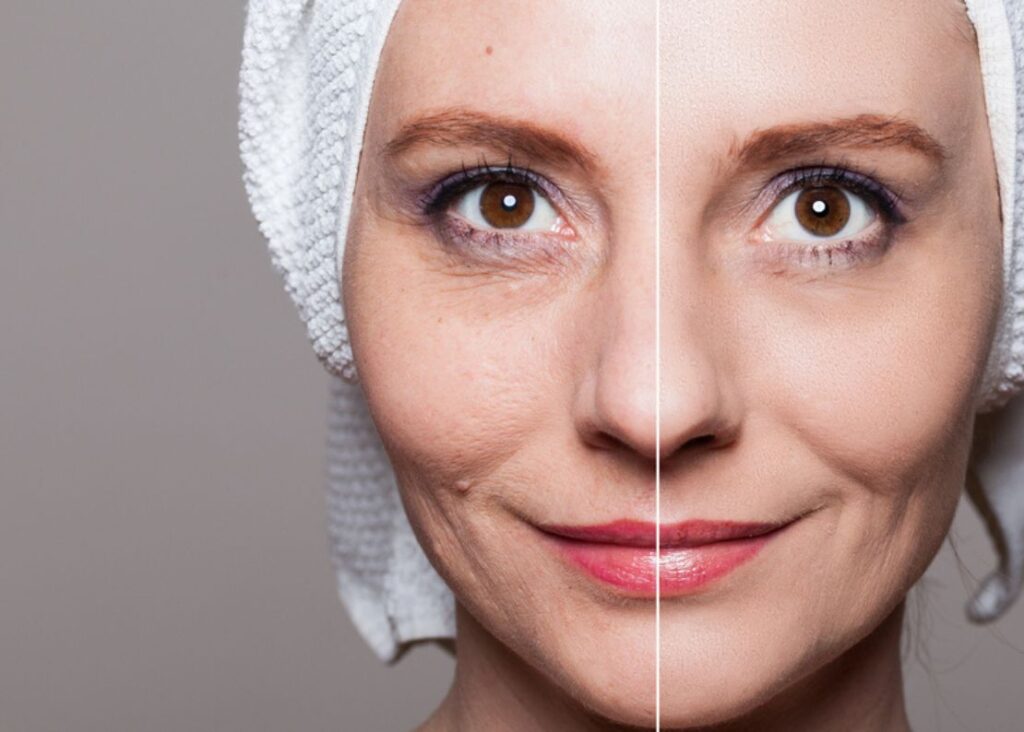
What Does the Hollywood Spectra Carbon Peel Actually Do?
The Hollywood Spectra facial is often marketed for “glowing skin,” but that description barely explains the technology. Its benefits come from several effects that can work together to improve the way the complexion looks and feels.
1. It Starts With a Carbon Layer
The carbon component is one of the features that gives this treatment its recognizable name. A specialized carbon-based lotion is applied over the treatment area before the laser is used.
The carbon settles across the skin’s surface and into superficial irregularities. The Hollywood Spectra laser is then passed over the treatment area using settings selected for the procedure.
Laser energy interacts with the carbon layer, producing the characteristic treatment effect associated with the Hollywood Laser Peel. The process helps remove the carbon while providing a controlled treatment to the skin beneath it.
This is why calling the procedure a carbon peel can be slightly misleading. It is not simply a topical carbon mask that chemically exfoliates the complexion. The laser technology is the key part of the treatment.
2. It Helps Refresh the Skin’s Surface
Dull skin is not always caused by one obvious problem. Oil, surface debris, uneven texture, pigmentation, and normal buildup can collectively make the complexion look less vibrant.
A carbon laser facial offers a way to refresh that surface without relying on an aggressive peel. As the laser interacts with the carbon, the treatment can provide a mild exfoliating effect that leaves the complexion looking cleaner and more polished.
That refreshed appearance is one reason Hollywood-style laser facials have become popular before events. Patients may appreciate a smoother, brighter appearance without the recovery associated with more intensive resurfacing.
Still, this is not simply a special-occasion treatment. Repeated sessions may also be incorporated into a broader skin-maintenance plan when appropriate.
3. It Targets Unwanted Pigmentation
Pigmentation is one of the concerns highlighted by the Hollywood Spectra platform. Its laser energy can be used to target unwanted pigment within the skin, depending on the specific condition and treatment settings.
Pigment absorbs laser energy differently from surrounding tissue. With appropriate parameters, the laser can target areas of unwanted pigmentation so the body can gradually process the affected pigment.
This may make Hollywood Spectra useful for selected patients bothered by uneven-looking tone or certain dark spots. The exact type of pigmentation matters, however. Not every brown mark has the same cause, and some pigmentary conditions require particularly careful treatment planning.
That is why a dark spot should not automatically be treated simply because a laser can target pigment. Identifying what is causing the discoloration comes first.
4. It Can Make the Complexion Look Brighter
The term “glow” gets used constantly in aesthetics, but there are practical reasons a complexion may appear brighter after treatment. Improving superficial buildup, uneven tone, and dull-looking texture can change how light reflects from the skin.
That is part of the appeal of a glow laser treatment. The objective is not to make skin shiny. It is to create a clearer and more refined-looking surface so the complexion appears naturally fresher.
This can be particularly appealing when the skin looks tired despite a consistent skincare routine. Sometimes a moisturizer can improve hydration while makeup creates temporary radiance, but neither necessarily addresses uneven pigment or texture.
Hollywood Spectra works from a different angle by using laser energy as part of the rejuvenation process.
5. It Can Refine the Look of Pores
Pores are normal structures, and no treatment can permanently erase them. However, their appearance can become more noticeable when skin is oily, congested, uneven, or losing some of its youthful firmness.
The carbon-based treatment can help refine the overall appearance of the skin. As surface debris and oil are addressed, pores may look less prominent and the complexion may appear smoother.
Patients searching for a laser facial for pores should have realistic expectations about what that means. Hollywood Spectra does not remove pores because healthy skin needs them. Instead, the goal is to improve factors that can make them appear larger or more obvious.
Supporting collagen can also contribute to a more refined appearance over time. Better skin quality around a pore may make the surrounding texture look smoother and more uniform.
6. It Supports Collagen Production
Hollywood Spectra is not limited to what happens at the visible surface. The platform is also designed to stimulate collagen production, adding another dimension to its rejuvenating effects. Collagen provides structural support within the skin. Natural production changes with age, which can contribute to shifts in firmness, texture, and overall skin quality.
Controlled laser energy can trigger a response within the skin that supports new collagen production. Unlike the immediate surface freshness patients may notice after a facial, collagen-related changes develop more gradually.
This makes it helpful to separate immediate and progressive benefits. A patient may appreciate fresher-looking skin relatively quickly, while collagen remodeling happens on a longer biological timeline.
7. It Can Improve Overall Texture
Texture can be surprisingly difficult to describe. The skin may not have one dramatic problem, yet it can feel rough or simply look less smooth than it once did. Hollywood Spectra can help refine the complexion through its combination of surface treatment and collagen stimulation.
That makes it useful for patients whose goal is broader skin rejuvenation rather than correcting a single isolated spot. A Spectra peel may be particularly appealing to someone who wants improvement without committing to an aggressive resurfacing procedure. Treatment intensity and goals still matter, so patients should discuss how much change they are hoping to achieve.
Lighter treatments generally come with different expectations than deeper procedures. Choosing between them is not about finding the “strongest” laser. It is about matching the treatment to the concern and the amount of recovery a patient is comfortable with.
8. It Can Be Used for Acne-Focused Care
The Hollywood Spectra platform also offers an AcnePeel treatment. This expands the technology beyond general brightening and pigment-focused rejuvenation. Acne can involve several overlapping factors, including oil production, clogged pores, inflammation, and the marks that remain after blemishes heal.
Laser-based treatment may become one component of a larger acne-care strategy for appropriately selected patients. It is important to distinguish active acne from acne scarring. Treating breakouts and treating deep structural scars are different goals, and they may require different procedures.
For patients dealing with multiple concerns, treatment planning can prioritize what needs attention first. Getting active breakouts under better control may be more useful before aggressively addressing scars left behind by older acne.
9. Downtime Can Be Relatively Limited
One of Hollywood Spectra’s notable advantages is its ability to deliver laser treatment without the recovery associated with more aggressive resurfacing procedures. The platform is designed around short pulse widths and high peak power, helping practitioners deliver controlled energy.
That can make the treatment attractive to patients who cannot easily accommodate days of visible peeling or prolonged recovery. Some temporary redness or sensitivity may still occur, and individual responses vary.
“Minimal downtime” should never be interpreted as permission to ignore aftercare. The skin has still undergone a professional laser procedure and deserves appropriate protection afterward.
Gentle skincare and diligent sun protection can be particularly important. Patients should follow the specific post-treatment guidance given for their skin and treatment settings.

Put Better Technology Behind Your Glow
Healthy-looking skin is not about chasing perfection. Sometimes it is simply about addressing the pigmentation, dullness, visible pores, and uneven texture that keep your complexion from looking as refreshed as you would like. Hollywood Spectra offers a technology-driven way to do that while supporting collagen and keeping recovery relatively manageable.
At Ethos Medspa in Chesterfield, MO, patients can explore whether the Hollywood Laser Peel fits their skin concerns and aesthetic goals. A personalized treatment plan can put the technology to work where it makes sense, helping create clearer, smoother, more luminous-looking skin without turning rejuvenation into a major interruption.
Contact us today to book your consultation!